
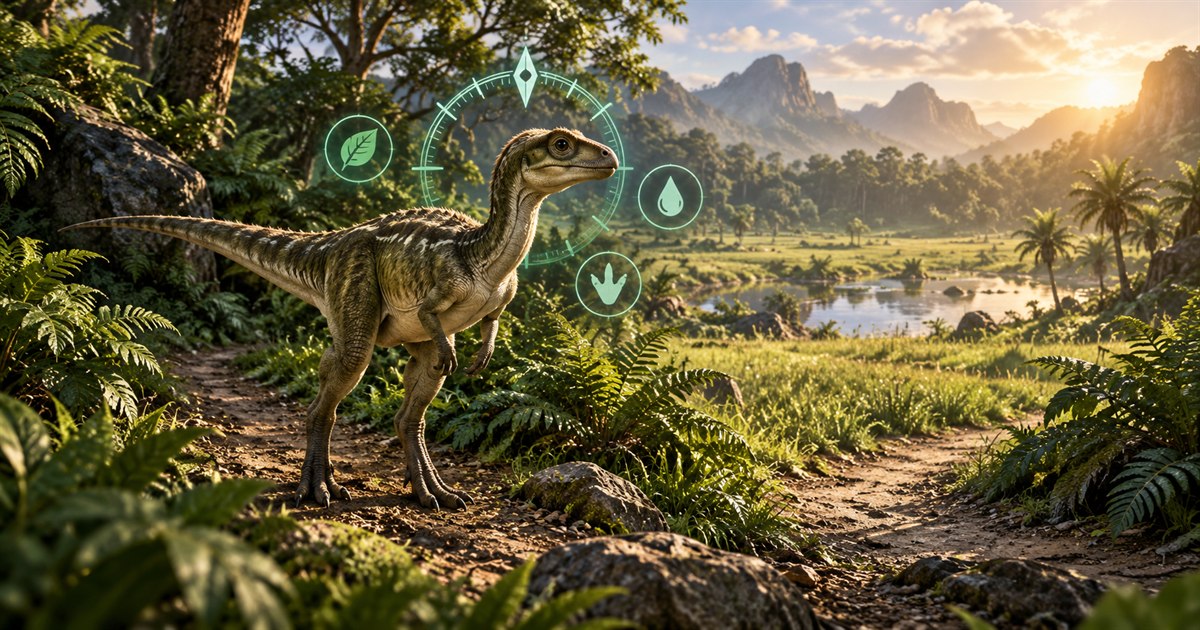
Looking for the best dinosaur for beginners in The Isle EVRIMA? Start with the dinosaur that helps you learn survival, not the one that wins an impressive fight in a video. Your first useful skills are finding food and water, recognising landmarks, managing stamina and knowing when to leave an area.
Our starter recommendation is Dryosaurus if you want to practise navigation and avoiding trouble. Consider Hypsilophodon for a small, evasive herbivore, Gallimimus for mobile exploration with friends, or Tenontosaurus when you want to start learning a more involved defensive toolkit. These are editorial recommendations, not a universal tier list or a promise of easy survival.
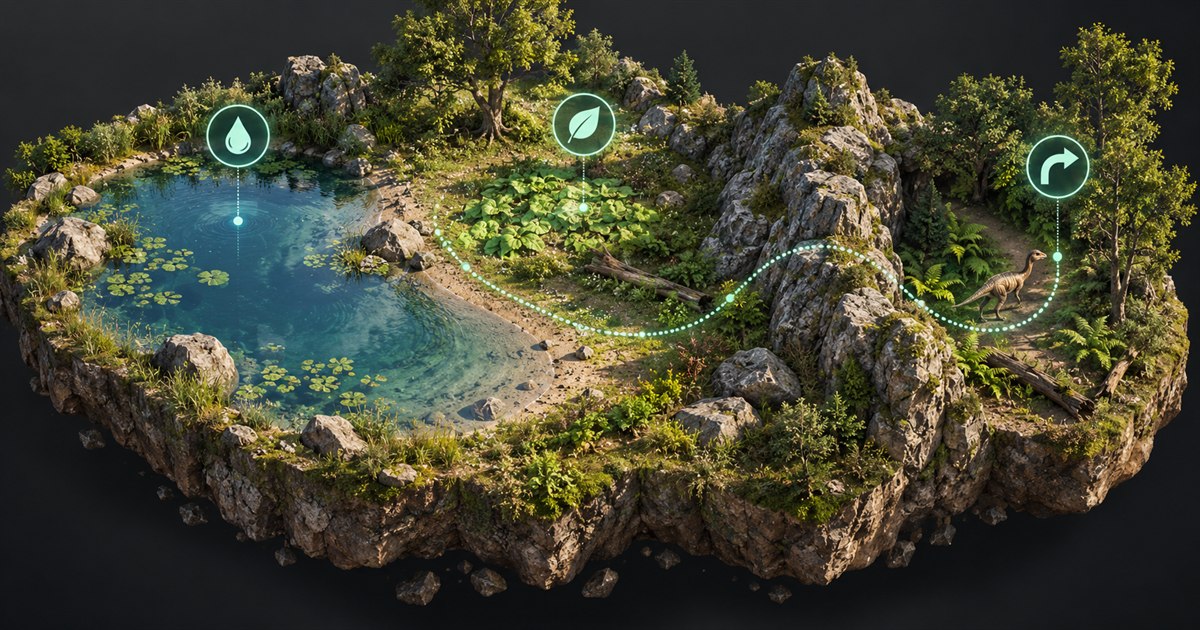
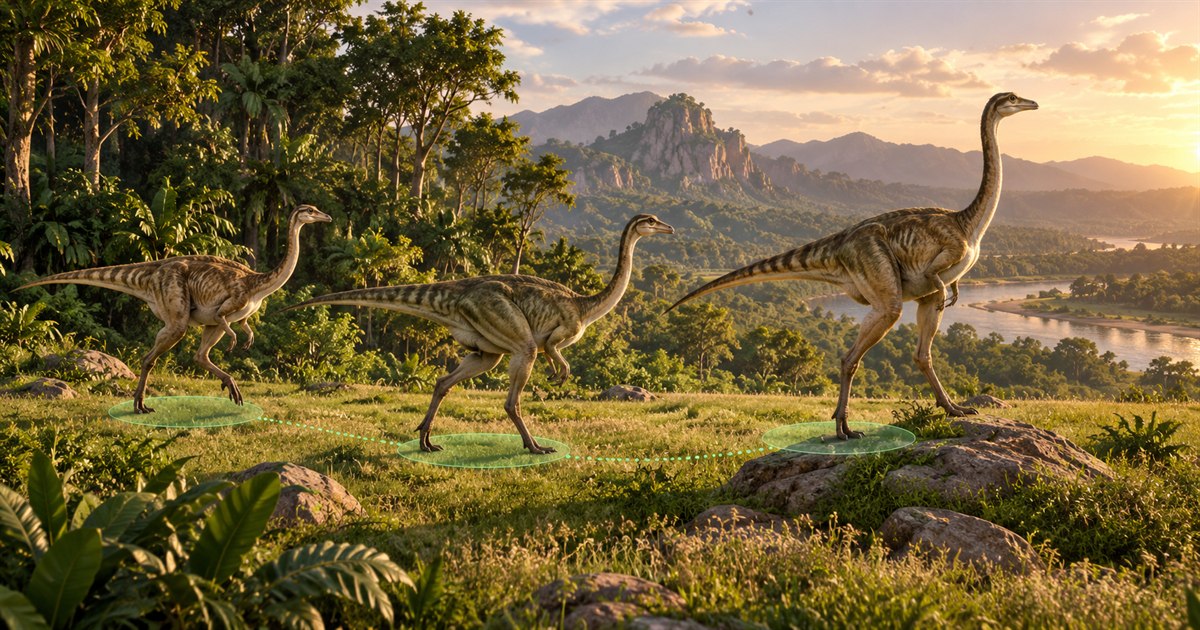
The four images are AI-generated illustrations. They are conceptual species and survival scenes, not official game renders, screenshots, a scale chart or an accurate Gateway route.
How to choose your first dinosaur in The Isle
A good beginner dinosaur gives you a clear learning goal. Ask yourself whether you want to explore alone, travel with friends or practise combat. Trying to learn all three at once makes it harder to understand why a run went wrong. For the first few lives, choose one species and learn what it needs before switching every time you die.
This guide is for The Isle EVRIMA, not Legacy. Playable rosters, abilities and balance can differ between the public branch and testing builds. Check the current character-selection screen and your server rules before choosing. There is no fixed growth time, damage ranking or guaranteed safe species promised here.
The community-maintained references linked below help describe broad playstyles. They can lag behind patches; your current game and official update notes take precedence. For your first journey across the island, use our Gateway beginner map guide alongside this species comparison.
Best beginner dinosaurs in EVRIMA: a practical comparison
| Dinosaur | Our suggested learning goal | Main trade-off |
|---|---|---|
| Dryosaurus | Learn food trips, cover and map navigation without seeking fights. | Being mobile does not make you safe when caught. |
| Hypsilophodon | Practise awareness, movement and escaping danger as a small herbivore. | A small body is not a substitute for a good escape route. |
| Gallimimus | Explore and coordinate journeys with friends. | Travel still requires food planning, stamina and group discipline. |
| Tenontosaurus | Learn herbivore survival and then practise defensive combat. | More combat options mean more controls and decisions to learn. |
This shortlist favours different learning experiences rather than pretending there is one strongest dinosaur for every player. A confident fighter and someone learning the Gateway map may need very different first characters.
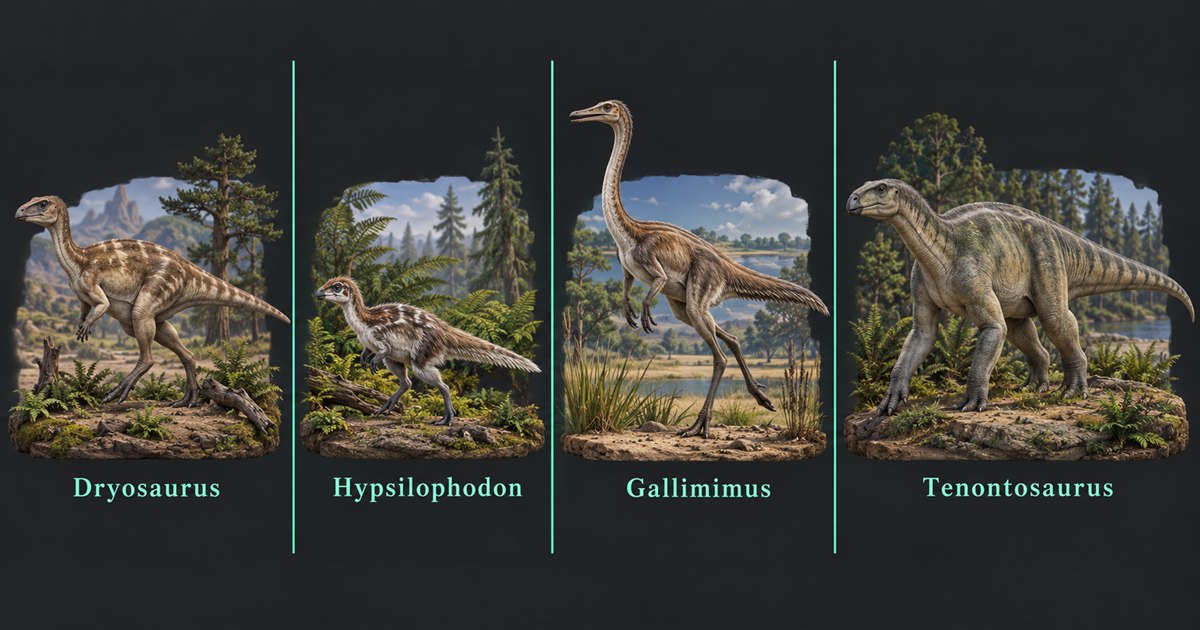
Dryosaurus: our first choice for learning survival and navigation
Dryosaurus suits a first run focused on exploring rather than confronting other dinosaurs. The community Dryosaurus reference describes an agile herbivore with an evasive playstyle. That makes a useful starting point for practising routes, staying near cover and deciding when to retreat.
Set modest goals: identify a landmark, find suitable food, make a water trip and return to terrain you recognise. Do not spend the whole life testing whether you can outrun every animal you encounter. An escape plan works better when you choose it before a chase begins, not after you have run into a dead end.
Choose Dryosaurus if learning the island sounds more useful than learning attack combinations. It is not invulnerable, and this recommendation does not imply that its growth or resource needs are always easier than another species in the current patch.
Hypsilophodon: a small herbivore for practising awareness
Hypsilophodon is another option for players who prefer evasion over fighting. The community Hypsilophodon guide highlights mobility and an escape-oriented toolkit. Available abilities can depend on your life stage, so do not assume a hatchling has every option described for an adult.
Your learning goal should be observation: notice where cover ends, keep track of nearby movement and practise leaving before a risky situation becomes unavoidable. A small dinosaur can still be exposed when crossing open ground or lingering beside a busy resource.
Use each run to learn a manageable area rather than attempting a full island tour immediately. If you repeatedly become lost after fleeing, practise recognising one reliable landmark and comparing it with your map position.
Gallimimus: exploring Gateway and playing with friends
Gallimimus is worth considering when movement and group travel are the main attraction. The community Gallimimus reference describes a speed-focused, social playstyle and both plant and animal food options. Check the current diet panel instead of assuming every visible plant or small animal gives the resource you need.
For a beginner group, agree on a destination and a meeting landmark before moving. Travel at a pace everyone can sustain; the fastest member should not decide the whole route while the others struggle behind. Pause to check food, water and each person's position rather than discovering that someone is missing after a long sprint.
Mobility makes exploration appealing, but it does not remove the need to plan. Read our EVRIMA stamina guide before treating every journey as a race.
Tenontosaurus: a next step for learning defensive combat
Tenontosaurus is our more involved option for beginners who specifically want to learn defence. The community Tenontosaurus reference describes multiple attacks, including kicks and tail strikes. More tools create more decisions; knowing an attack exists is not the same as landing it reliably.
Learn the current bindings and practise judging space before seeking a fight. Keep survival skills as the foundation: a character with defensive options still needs resources and a way out. Avoid using a combat video as proof that your juvenile can handle the same encounter.
If your first Tenontosaurus lives feel overwhelming, that is a reason to simplify the learning goal, not evidence that you picked a bad dinosaur. Explore on a smaller evasive species, then return when navigation and resource trips feel familiar.
Your first life: food, water, cover and an exit
- Read your character panel. Check your current hunger, thirst and diet information before choosing a long trip.
- Establish where you are. Note a visible landmark and your Asset Location coordinates so you can recognise progress.
- Find a workable resource route. Solve an immediate food or water need without assuming the busiest destination is the best.
- Keep an escape option. Notice difficult banks, exposed crossings and terrain you would struggle to leave.
- Reassess after arriving. Resource availability and nearby activity can change; an old plan is not a guarantee.
Our food and diet guide explains feeding priorities, while the Gateway water guide covers cautious drinking approaches. Use the scent guide to understand resource directions. A map marker or scent signal does not prove a resource is currently available or the area is safe.
Choosing a dinosaur for multiplayer with friends
Start by confirming that everyone is on the same game branch and server. Choosing the same species is a straightforward way to practise a shared routine, but still check that server's grouping and conduct rules. Do not assume that mixed-species cooperation is permitted everywhere or that app squad membership overrides in-game restrictions.
Agree on one short first journey. Share positions, choose a landmark and discuss what to do if someone needs food or dies. After a respawn, update the new position and make another meeting plan instead of automatically retracing a route that no longer makes sense.
How TheIsleMinimap helps your first Gateway journeys
TheIsleMinimap puts your own position in the context of the Gateway map. Update your marker by copying the in-game Asset Location, or use the enabled screen reader with your confirmed reading area while the coordinates are visible. Follow the coordinates and location guide if you are setting this up for the first time.
The app's private squads support up to four players sharing positions. That is an app feature, not a statement about The Isle's species-specific group limits. Use shared positions to agree where to meet and check progress; updates depend on coordinates being copied or read.
Beginner dinosaur questions
What is the best dinosaur for a new EVRIMA player?
We suggest Dryosaurus for a first navigation-focused run. Hypsilophodon, Gallimimus and Tenontosaurus offer different learning goals. Your preferred playstyle, current patch and server matter more than a universal ranking.
Should I start as a herbivore or a carnivore?
For the learning plan in this guide, we favour exploring and resource trips before hunting. If hunting is what you enjoy, you can choose a carnivore, but expect to learn feeding and prey decisions alongside navigation. Herbivores are still vulnerable and are not a guaranteed easy mode.
Which dinosaur grows fastest?
This guide does not rank current growth timers. Growth mechanics and balance change, and an old guide can give misleading numbers. Check your current build and use our growth guide for a version-aware approach to survival and diet.
Can I use the same advice on official and community servers?
The basic planning advice is useful on both. Always read community server rules and settings; grouping restrictions and other server-specific conditions may change how you play.
What should I learn before trying a stronger dinosaur?
Find food and water without getting lost, keep stamina for an exit and recognise the terrain around you. Then add the species-specific controls and combat decisions one at a time.